
Databases in Microservices: A Hybrid Approach
By Mohammad Alorfali · · 2 min read
How to choose between a shared database, database-per-service, and a hybrid approach in microservices—balancing consistency, scalability, and team autonomy.
Introduction
Microservices architecture offers scalability, flexibility, and faster deployments. A critical design decision is how services store and manage data. The choice between a shared database and database-per-service (and related patterns) impacts scalability, resilience, and development velocity.
A practical compromise is the hybrid approach: combine shared and separate databases based on domain boundaries and consistency requirements.
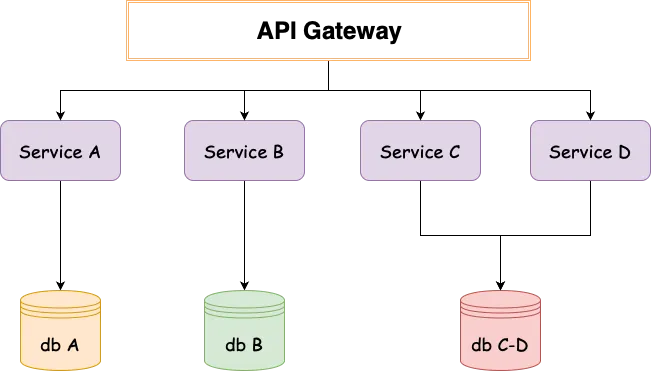
Database-per-service: benefits and challenges
Benefits
- Service independence: each service owns its data model and schema, reducing tight coupling.
- Scalability: scale services independently based on their bottlenecks.
- Fault isolation: issues in one database are less likely to cascade.
- Technology flexibility: teams can choose fit-for-purpose storage per service.
Challenges
- Data synchronization: maintaining consistency across services requires robust integration and messaging patterns.
- Operational overhead: multiple databases increase operational complexity, tooling, and cost.
The hybrid approach
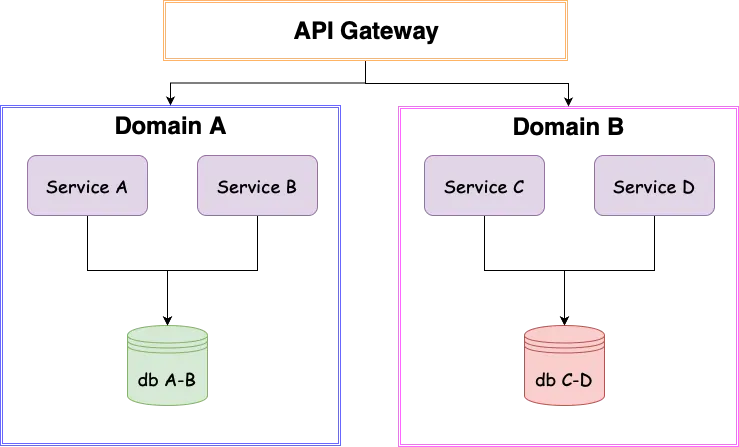
A hybrid approach mixes shared and separate databases to match real-world constraints. It tends to work well in these scenarios:
- Small projects: a shared database reduces overhead while teams move fast.
- High consistency needs: when immediate consistency is critical and synchronization cost is too high, shared storage can be justified.
- Complex data relationships: keep truly shared entities together while isolating service-specific data.
- Gradual migration: start shared during monolith-to-microservices transition, then split incrementally.
- Domain-based modules: align data ownership to business domains; share within a domain, separate across domains when needed.
Conclusion
The hybrid approach balances consistency, flexibility, and scalability. By assessing your domain boundaries and consistency requirements, you can mix shared and separate databases to fit your system—not the other way around.
Also published on Medium: https://medium.com/@mohammadalorfali777/embracing-the-hybrid-approach-shared-and-separate-databases-in-microservices-ad2e3691f3c0